

This is part of Honey for Wellness.
10 min read
“Boosts immunity” is one of the most common phrases in wellness marketing, but it is not a precise description of how the immune system works. Immunity is a coordinated network of barriers, cells and signalling molecules. More activity is not always better, and no single food can guarantee protection from infection.
Honey is still scientifically interesting. Its sugars, acidity, viscosity, enzymes and plant-derived compounds can affect microbes and inflammatory processes under particular conditions. Human evidence is strongest for soothing cough associated with uncomplicated upper respiratory infections, while much of the broader immune research comes from laboratory studies, animal studies or medical-grade honey used in clinical care.
This guide separates those evidence levels so that honey can be enjoyed as food without turning it into a medicine.

What Honey Contains
Honey is mainly glucose and fructose, together with water and smaller quantities of organic acids, minerals, enzymes, aromatic compounds and polyphenols. The exact composition varies with botanical source, geography, harvest conditions, storage and processing.
Darker honeys often contain more phenolic compounds than pale honeys, but colour alone is not a clinical measure of health benefit. Laboratory antioxidant activity also does not prove that eating a normal serving will prevent disease. It tells researchers that a sample contains compounds worth studying.
Four Areas of Scientific Interest
Antioxidant Activity
Polyphenols can neutralise reactive molecules in laboratory tests. Honey has shown antioxidant activity in test-tube studies, and some small human studies report changes in selected oxidative-stress markers. Results differ by honey variety and study design, so this evidence supports honey's compositional interest rather than a promise of stronger immunity.
Inflammatory Signalling
Cell and animal studies suggest that honey compounds can interact with inflammatory signalling pathways, including NF-κB and selected cytokines. These findings help explain why honey is being researched, but they should not be translated directly into claims that a spoonful of table honey treats inflammatory disease.
Antimicrobial Properties
Honey's low water activity, acidity and high sugar concentration make it difficult for many microorganisms to grow. When honey is diluted, glucose oxidase can contribute to hydrogen-peroxide formation. The strength of these effects varies substantially between samples.
These properties are relevant to laboratory research and to specially prepared medical-grade honey. They do not mean ordinary retail honey should be applied to wounds or used instead of antibiotics.
The Gut and Immune System
The gut microbiome interacts closely with immune function. Some laboratory and early human research examines whether honey's oligosaccharides and polyphenols influence intestinal bacteria. The field is promising but not settled, and claims that a particular honey “balances” the microbiome remain stronger than the current evidence.
Read Honey for Gut Health: How Raw Honey Supports Your Microbiome for a fuller, carefully qualified discussion.
Where Human Evidence Is Most Useful
Cough During an Upper Respiratory Infection
Systematic reviews of clinical trials suggest that honey can reduce cough frequency or severity in some adults and children older than one year with uncomplicated upper respiratory infections. Its viscosity may coat the throat, and sweetness can stimulate saliva, both of which may reduce irritation.
Honey is a symptom-relief option, not a treatment for the underlying infection. Persistent symptoms, breathing difficulty, dehydration, high fever or concern about a child require medical advice.
Medical-Grade Honey in Wound Care
Healthcare professionals sometimes use sterilised, standardised medical-grade honey dressings for selected wounds. This is a regulated clinical product and a different use from eating honey. Kitchen or retail honey should not be placed on open wounds because it is not prepared to the same standard.
What Has Not Been Demonstrated
Ordinary dietary honey has not been shown to prevent influenza, COVID-19, tuberculosis, cancer or other serious diseases. It should not replace vaccination, prescribed medication, medical diagnosis or a balanced diet. Evidence from cells, animals or specialised clinical products cannot automatically be applied to a daily teaspoon of table honey.
Does Raw Honey Make a Difference?
Heating and long storage can reduce enzyme activity and alter some heat-sensitive compounds. The effect depends on temperature, duration and the honey itself. It is therefore more accurate to say that careful handling helps preserve selected characteristics than to claim that heated honey has “no nutritional value.”
Raw honey still consists mainly of sugars and should be eaten in moderate portions. Read Raw vs Processed Honey: What Happens When Honey Is Heated? for the processing science.
Choosing Honey for Everyday Use
Different varieties offer different flavours rather than different medical treatments. Choose a honey you enjoy and can use consistently in sensible portions.
Acacia Honey
Acacia Honey is pale, mild and slow to crystallise. Its gentle flavour works in warm water, tea, yoghurt and breakfast dishes.
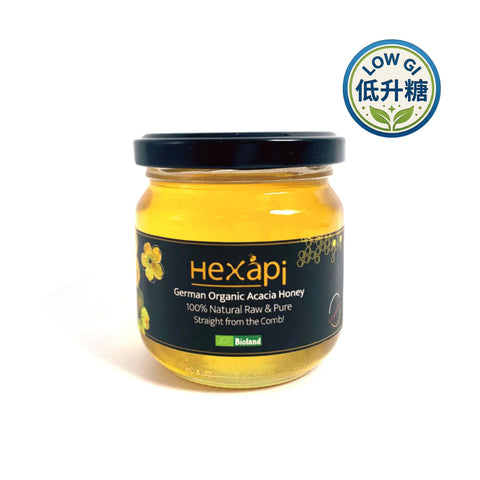
Learn more in Acacia Honey: The Complete Guide to Its Properties, Health Benefits, and Uses.
Buckwheat Honey
Buckwheat Honey has a dark colour and robust, malty flavour. Dark honeys often show higher antioxidant activity in laboratory testing, although this should not be treated as a dosage or therapeutic claim.

Linden Honey
Linden Honey is aromatic and traditionally associated with warm drinks during the colder months. Traditional use is part of its cultural history, but it should not be presented as proof that Linden Honey prevents respiratory illness.

For its botanical profile and traditional context, read Linden Honey: Health Benefits, Flavonoids, TCM Properties and Uses.
A Practical Hong Kong Routine
Honey can be used as a small part of ordinary meals rather than as an “immune protocol.” Add it to warm, not boiling, tea; stir it into yoghurt; use it in a dressing; or serve it with wholegrain toast. The overall dietary pattern matters far more than the timing of a teaspoon.
Hong Kong's air conditioning can make the throat feel dry, and a warm drink with honey may feel soothing. That is a comfort use, not evidence that honey prevents infection or offsets air pollution.
Safety
- Never give honey to a child under 12 months because of the risk of infant botulism.
- Honey is a source of free sugars. People managing diabetes or blood-glucose concerns should discuss suitable portions with a qualified healthcare professional.
- Anyone with an allergy to honey or other bee products should avoid it.
- Do not apply retail honey to open wounds.
- Seek medical advice for persistent or severe symptoms.
The Evidence-Based Conclusion
Honey has genuine biological properties and a useful place in food traditions. Human evidence supports its use as a soothing option for some coughs in adults and children older than one year. Broader research on antioxidant, inflammatory, antimicrobial and microbiome effects is scientifically interesting, but it does not justify describing table honey as a treatment or guaranteed immune booster.
The most responsible approach is simple: choose a traceable honey for flavour and quality, enjoy it in moderate portions, and keep medical claims separate from food enjoyment.
Related Reading from The Bee Hive
- Raw vs Processed Honey: What Happens When Honey Is Heated?
- Honey and TCM: What Traditional Chinese Medicine Says About Raw Honey
- Honey for Gut Health: How Raw Honey Supports Your Microbiome
- How to Read a Honey Label: A Practical Checklist for Hong Kong Shoppers
This is part of Honey for Wellness.


0 comments